From anchoring fertile topsoils to regulating rainfall patterns across entire continents, forests dictate the mechanics of human survival. Preserving them is no longer an environmental luxury; it is an absolute necessity for future security.
By Mool Raj
Forests are the literal and figurative lungs of our planet, weaving an intricate tapestry of ecological, climatic, and societal benefits that sustain life as we know it. These vast expanses of greenery serve as the critical pillars maintaining the delicate balance of Earth’s ecosystems. Their importance extends far beyond mere aesthetic appeal or recreational value; they touch every facet of global stability, from regulating weather patterns to preserving soil integrity, purifying water networks, and fostering life in all its diverse forms. In an era where climate change, aggressive deforestation, and unprecedented biodiversity loss dominate international headlines, understanding the multifaceted role of forests is no longer just an academic exercise. It is a critical, front-page call to action to protect the world’s most vital natural infrastructure before the damage becomes irreversible.
At the very heart of environmental survival is the process of carbon sequestration, a mechanism where forests act as our primary defense against a warming planet. During photosynthesis, trees absorb massive volumes of carbon dioxide from the atmosphere, locking the carbon safely away in their wood, roots, and soil, while releasing life-giving oxygen as a byproduct. This natural buffer mitigates the accumulation of greenhouse gases that drive global warming. A single mature tree can absorb significant amounts of carbon dioxide annually, while massive forest systems such as the Amazon basin or the sprawling boreal forests spanning Canada and Russia sequester billions of tons of carbon over their lifetimes. Without these vast carbon sinks, the concentration of atmospheric greenhouse gases would accelerate at a catastrophic rate, rapidly worsening extreme weather events, driving up sea levels, and dismantling global agricultural systems.
Yet, this defensive shield is fracturing. Driven by commercial logging, industrial agriculture, and urban encroachment, rampant deforestation is turning these ancient allies into active threats. When forests are cleared or burned, the carbon stored across centuries is violently released back into the atmosphere, transforming vital carbon sinks into major sources of greenhouse emissions.
Beyond climate regulation, forests serve as the planet’s premier biodiversity banks, hosting an astonishing majority of terrestrial species. From the dense, multi-layered canopies of tropical rainforests to the rich undergrowth of temperate woodlands, these habitats support millions of plants, animals, fungi, and microorganisms. These ecosystems are not merely collections of individual species; they are highly interconnected, delicate webs where every organism plays a functional role. Pollinators like bees and butterflies ensure the reproduction of forest flora, while apex predators like jaguars or wolves maintain ecological equilibrium by managing herbivore populations. The removal of even a single species can trigger a cascading collapse across the entire food chain, weakening ecosystem resilience. Tropical forests, which house over half of the world’s terrestrial biodiversity despite covering less than ten percent of Earth’s land surface, face the greatest peril. Their destruction not only pushes countless unique species toward extinction but also erodes the genetic diversity that underpins evolutionary adaptability and human breakthroughs in medicine, agriculture, and biotechnology.
Simultaneously, forests dictate the mechanics of the global water cycle, operating as natural sponges that manage both water quantity and quality. Deep root systems anchor the earth, reducing heavy surface runoff and preventing catastrophic soil erosion, while overhead canopies intercept intense precipitation, slowing its descent to allow for gradual, healthy groundwater infiltration. This natural regulation stabilizes water tables, recharges vital underground aquifers, and ensures a steady, predictable supply of freshwater to rivers and streams.
In regions like the Amazon, forests generate their own atmospheric moisture through transpiration, creating massive “flying rivers”, vast corridors of water vapor that travel across continents, dictating rainfall patterns thousands of miles away. This hydrological engine is fundamental to global food security, as major agricultural belts rely entirely on forest-driven rainfall. Furthermore, forests function as massive purification networks, filtering pollutants, toxins, and heavy sediments from water as it percolates through layers of organic soil. Conversely, when forest cover is stripped away, the landscape becomes highly vulnerable to severe flooding, diminished water quality, and acute drought, illustrating how deeply human water security depends on standing trees.
This protective relationship extends directly to the soil beneath our feet. Tree roots act as a subterranean grid that anchors topsoil against the erosive forces of wind and rain, while falling leaves and decaying organic matter continually pump vital nutrients back into the earth. This continuous cycle of renewal maintains fertility, benefiting both forest vegetation and the agricultural lands that border them. Deforestation abruptly halts this cycle, triggering rapid soil degradation, desertification, and a sharp drop in crop yields. In tropical regions, where soils are characteristically nutrient-poor, the removal of forest cover can render land entirely barren within a few years, as the thin, fertile topsoil layer is washed away by tropical rains. By defending our forests, we safeguard the very foundation of terrestrial life, ensuring that soils remain productive enough to feed a growing global population.
The human element of this crisis involves profound cultural and economic dimensions. Hundreds of millions of Indigenous people live within or depend directly on forests, acting as the historical stewards of these lands. Their traditional knowledge systems offer invaluable blueprints for sustainable living, proving that humanity can coexist with nature rather than purely exploiting it. Economically, forests generate billions in timber, non-timber products like wild fruits, resins, and pharmaceuticals, alongside expanding ecotourism sectors. However, short-term economic greed frequently overrides long-term stability. Balancing immediate human development with ecological preservation requires aggressive, innovative policy shifts. This includes scaling up large-scale reforestation, enforcing strictly managed sustainable forestry practices, and expanding programs that financially compensate nations and local communities for the ecosystem services their standing forests provide to the world.
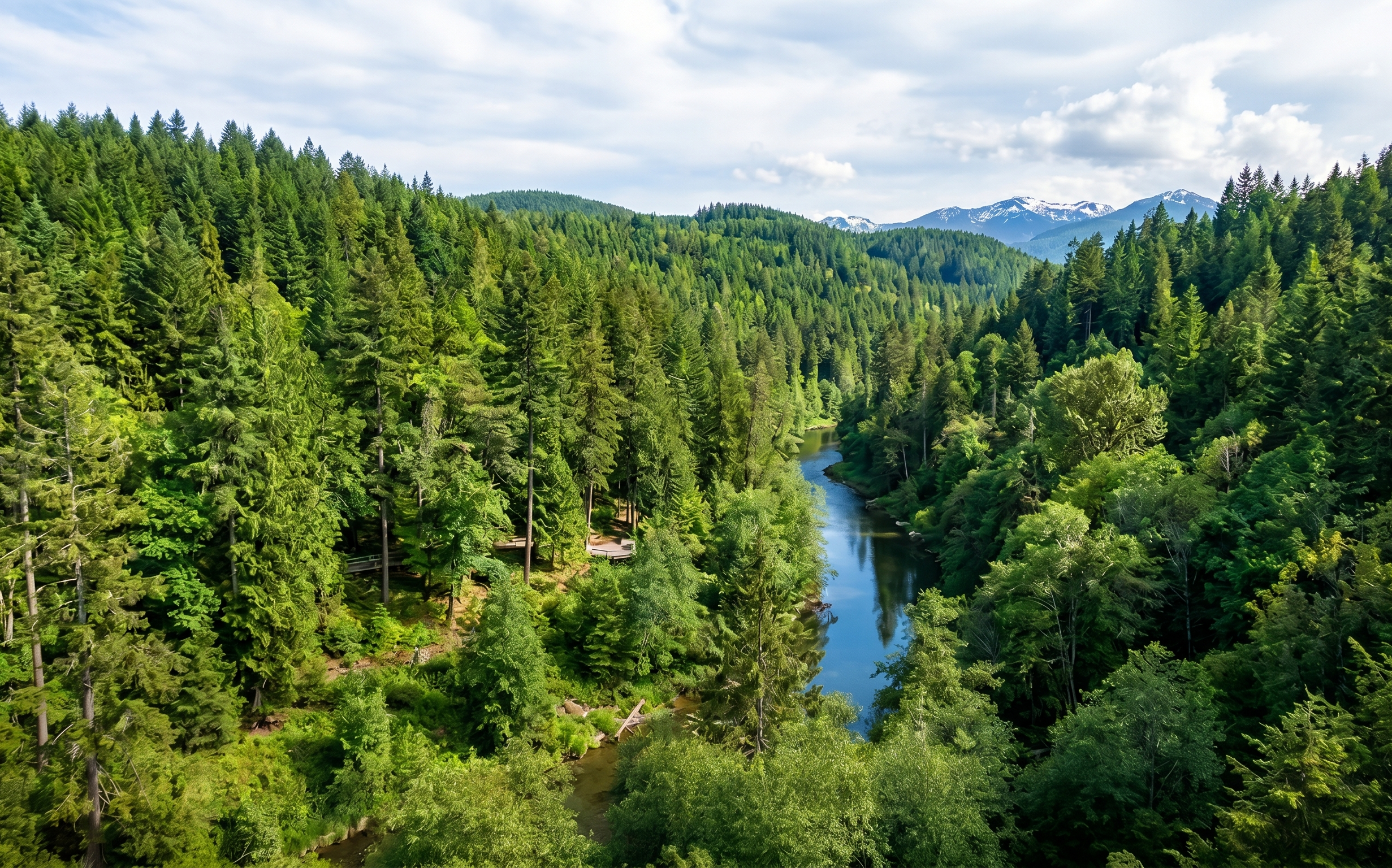
On a local scale, forests directly dictate public health and urban livability. Trees act as giant air filters, trapping particulate matter and absorbing urban pollutants like nitrogen oxides and sulfur dioxide. Urban forests and green spaces combat the dangerous “heat island” effect in concrete-heavy cities, lowering local temperatures and providing crucial sanctuaries that improve human mental well-being. Studies consistently show that access to green spaces reduces cortisol levels, lowers blood pressure, and eases psychological fatigue.
To survive the compounding pressures of the modern era, the international community must pivot toward a unified, aggressive conservation strategy. Deforestation currently accounts for global emissions that rival the entire transportation sector. Rising global temperatures further weaken forest resilience, leaving weakened ecosystems highly vulnerable to unprecedented pest infestations, diseases, and catastrophic wildfires. International frameworks like REDD+ (Reducing Emissions from Deforestation and Forest Degradation) provide a solid framework by incentivizing developing nations to preserve their forest cover, but these top-down initiatives must be paired with grassroots mobilization and stringent corporate accountability to succeed.
Ultimately, forests represent the definitive bridge between current and future generations. They are not merely commodities to be liquidated for quarterly profits; they are a living legacy. Our collective survival hinges on a willingness to prioritize long-term ecological balance over immediate, short-term gains. Protecting the world’s forests is an absolute necessity to secure a future where clean air, stable climates, and abundant freshwater remain fundamental certainties rather than vanishing luxuries.
Disclaimer: The views and historical interpretations expressed in this feature article are solely those of the author and do not necessarily reflect the official editorial stance or opinions of this publication.
Leave a Reply