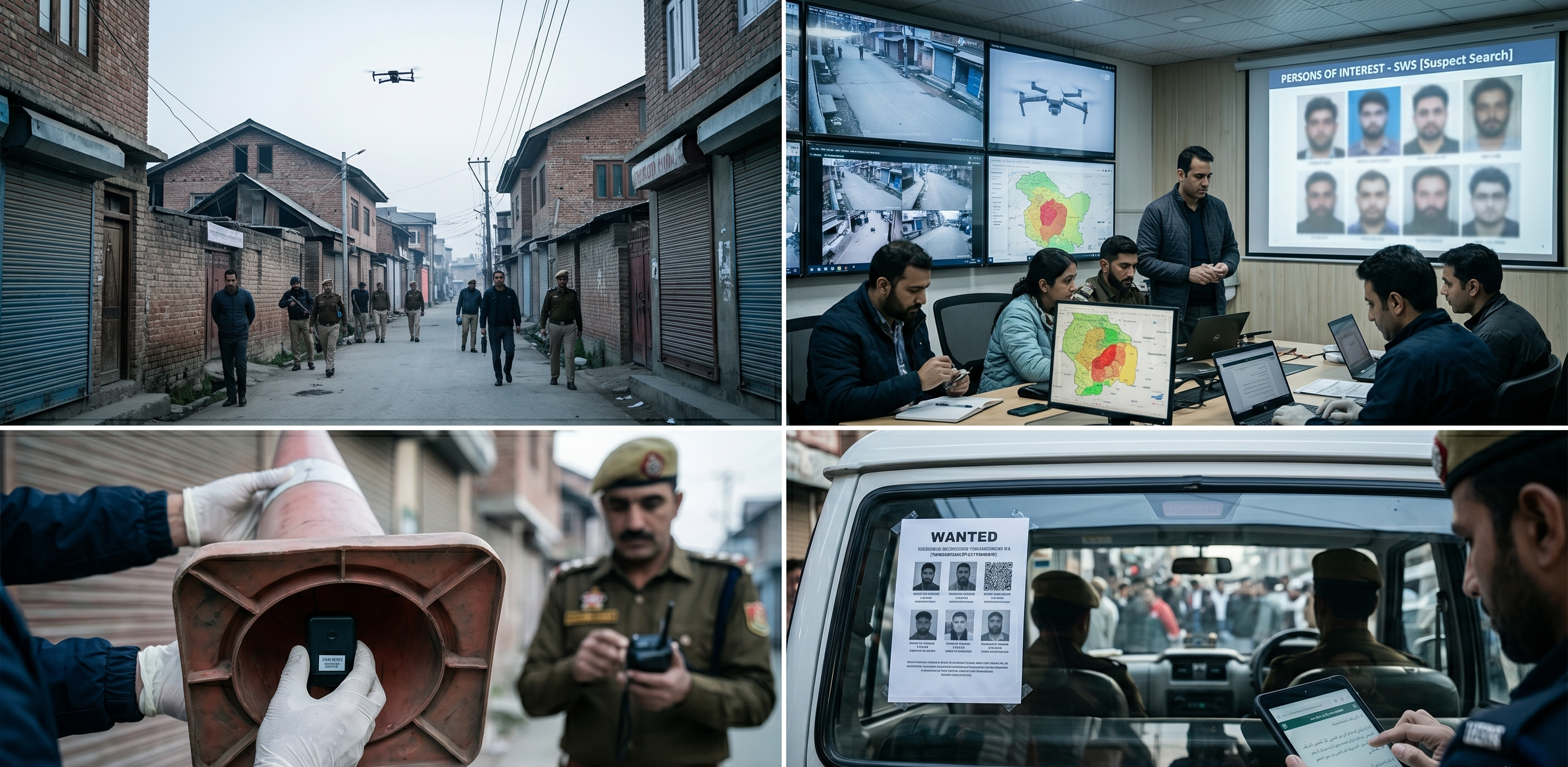
It began with threatening posters, but the SIA uncovered a ‘psychological smoke-screen.’ Inside the investigation that dismantled a sophisticated medical cell: how doctors allegedly used their university access to plot the revival of an al-Qaeda affiliate, stocking precursors for a deadly TATP explosive.
By Ajaz Rashid
The State Investigation Agency (SIA) Kashmir filed a comprehensive chargesheet on Thursday against ten individuals allegedly involved in a clandestine terror network known as the “Doctors Terror Module.” The group is accused of using professional medical cover to radicalize youth and orchestrate the revival of the proscribed terror outfit Ansar Ghazwat-ul-Hind (AGuH).
The Origins
The investigation stems from an incident on October 19, 2025, in the Nowgam area of Srinagar. Authorities discovered threatening posters issued under the banner of Jaish-e-Mohammad (JeM). However, the SIA’s probe revealed that the use of the JeM name was a “psychological smoke-screen” designed to mislead intelligence agencies while the group worked internally to rebuild the AGuH.
According to the SIA statement, the module’s primary objectives were:
- Radicalization and Recruitment: Targeting vulnerable youth through digital platforms.
- Institutional Misuse: Utilizing professional spaces, specifically linked to Al-Falah Medical College/University, to coordinate unlawful activities.
- Logistical Preparation: Procuring precursors for high-intensity explosives.
Technical Sophistication
A chilling aspect of the chargesheet involves the group’s focus on Triacetone Triperoxide (TATP). Known in intelligence circles as “Mother of Satan,” TATP is a highly volatile explosive favored by international terror groups because its precursors—common household chemicals—are difficult for traditional sensors to detect.
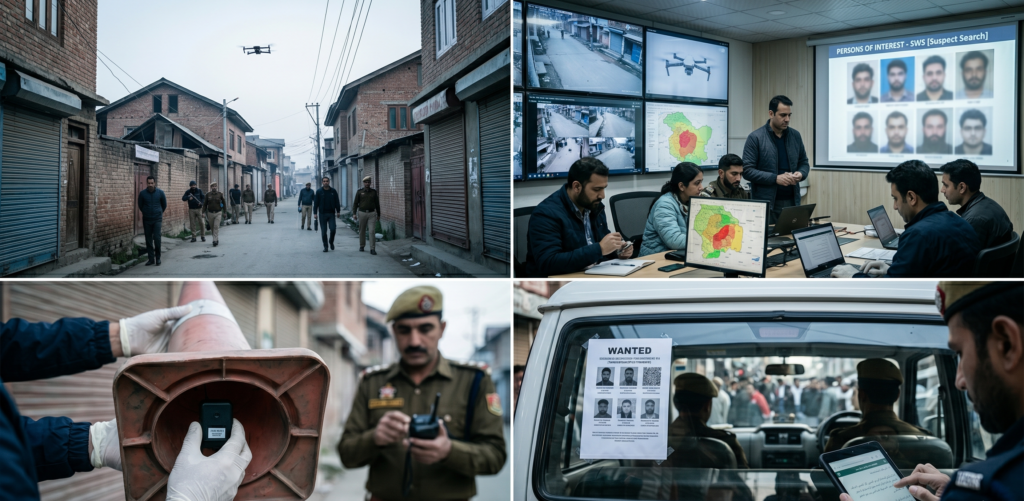
“The scale of accumulation of explosive materials and precursors indicated a high level of preparedness and potentially grave consequences,” the SIA noted, citing digital forensic evidence and scientific analysis of the seized materials.
Profile of the Accused
The module is notable for its inclusion of highly educated professionals, including several doctors who allegedly leveraged their social standing to facilitate the conspiracy.
| Name | Alias | Status/Note |
| Dr. Muzamil Shakeel Ganaie | Musaib | Accused Lead |
| Dr. Adeel Ahmad Rather | Javaid | Accused |
| Dr. Shaheen Saeed | — | Accused |
| Dr. Umar Un Nabi | — | Deceased (Killed in Red Fort attack) |
| Arif Nisar Dar | Sahil | Accused |
| Yasir Ul Ashraf Bhat | — | Accused |
| Maqsood Ahmad Dar | Shahid | Accused |
| Irfan Ahmad Wagay | Owais | Accused |
| Zameer Ahmad Ahanger | Mutlashi | Accused |
| Tufail Ahmad Bhat | — | Accused |
One of the accused, Dr. Umar Un Nabi, was reportedly neutralized during a suicide attack attempt at the Red Fort, highlighting the high-stakes nature of the module’s operational capabilities.
National Security Implications
The chargesheet, filed before a special designated court, marks a significant milestone in the SIA’s efforts to dismantle “white-collar” terror infrastructures. By targeting the intersection of professional institutions and digital propaganda, the agency aims to disrupt the evolving nature of hybrid warfare in the region.
The SIA reiterated that while the chargesheet has been filed, further investigations remain active to identify potential sleeper cells and financial conduits linked to the Al-Falah network.
Leave a Reply