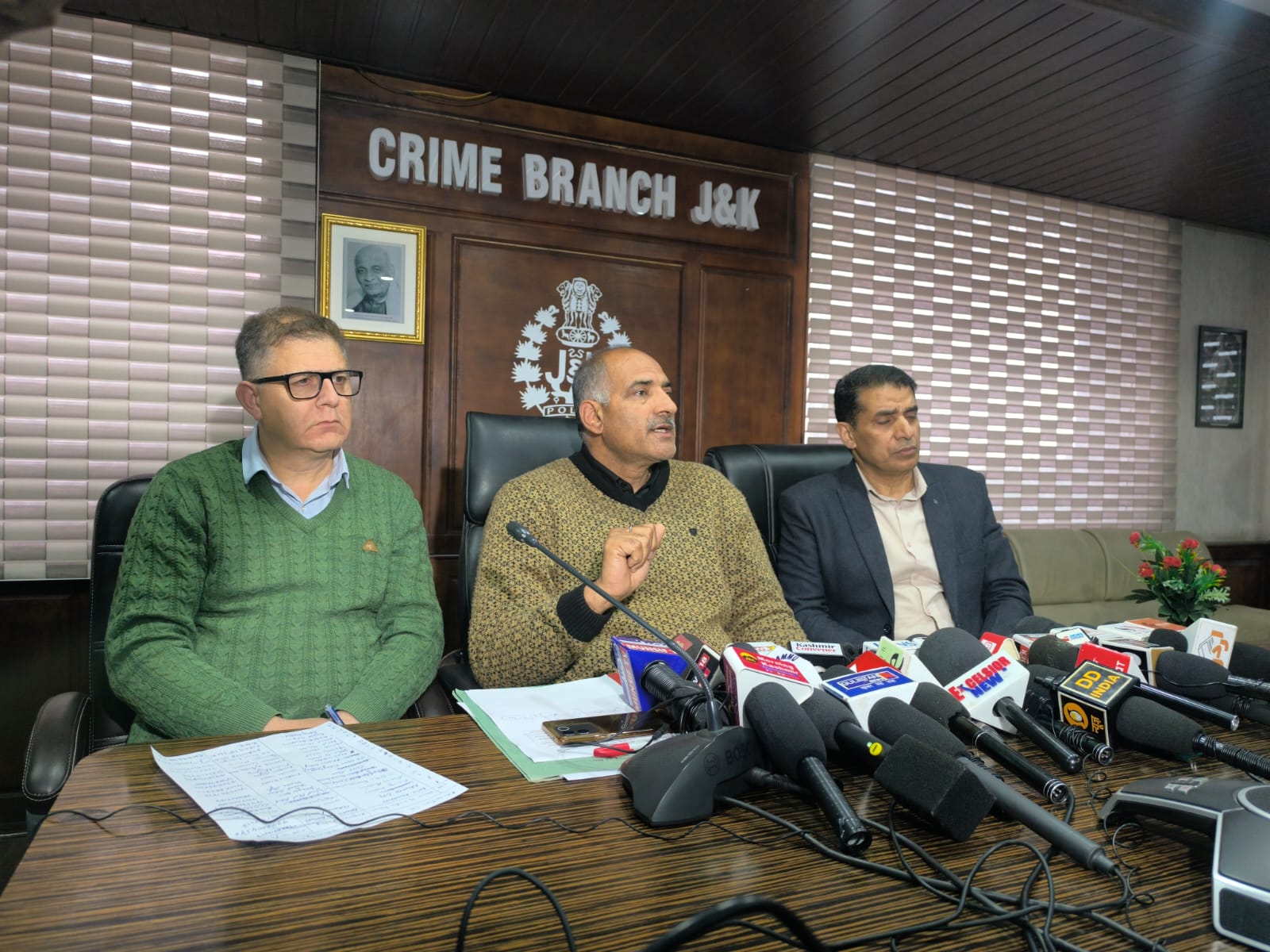
Protecting the public now requires more than just patrols, it requires digital literacy. Srinagar Police and leading media houses unite to launch a proactive campaign against cybercrime and social evils.
By Arshid Dar
In a strategic move to fortify the region’s digital landscape, the Police Station Cybercrime Investigation Centre for Excellence (CICE) in Srinagar recently hosted a high-level interactive workshop designed to bridge the gap between law enforcement and the media. This proactive initiative comes at a critical juncture as Jammu and Kashmir experiences an unprecedented surge in digital connectivity, bringing with it a complex new set of security challenges. By gathering a broad spectrum of the media fraternity, the CICE aimed to transform the press from mere observers into active collaborators in the fight against digital fraud and social instability.
The workshop saw an impressive turnout of representatives from the bedrock of the regional media landscape, including Daily Kashmiriyat, Kashmir Life, Rising Kashmir, DDK Doordarshan, IANS News, News18 J&K, and Greater Jammu, among others. These professionals gathered at the CICE headquarters not just to report on police activity, but to synchronize their editorial reach with the technical expertise of law enforcement. The atmosphere was one of collective commitment, acknowledging that the rapid evolution of technology requires a unified front to protect the public from increasingly sophisticated threats.
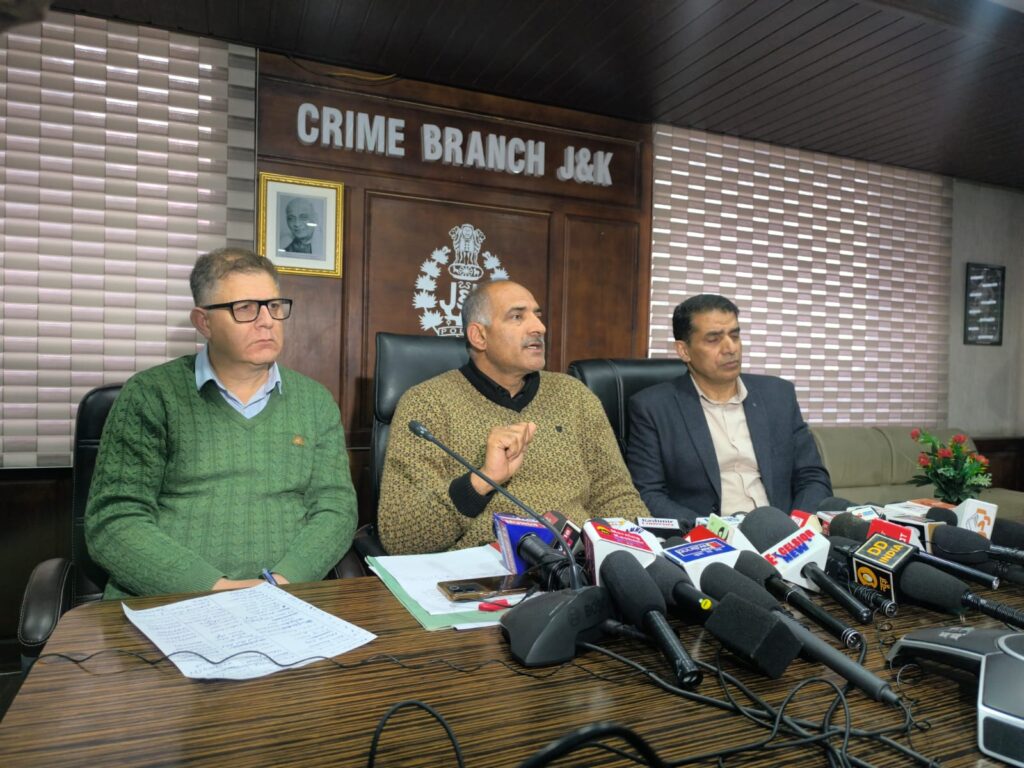
During the keynote session, DySP Ashaiq Hussain Malik, SHO PS CICE, delivered a comprehensive briefing on the current state of cybercrime in the Valley. He underscored the dual nature of rapid digitization, noting that while it has democratized information, it has also provided a low-risk environment for criminals to exploit vulnerable populations. Malik provided deep insights into emerging methods of detection and the psychological tactics used in online fraud, identity theft, and hacking. He pointed out that as more citizens move their financial and personal lives into the digital cloud, the need for heightened digital literacy has moved from a luxury to a fundamental necessity.
A significant portion of the discourse focused on the broader social implications of these crimes. DySP Malik drew a direct line between digital safety and the Nasha Mukt Bharat initiative, highlighting how encrypted platforms and the dark web are frequently leveraged to facilitate drug trafficking. By addressing drug abuse alongside cyber threats, the police department presented a holistic view of public safety. The media was urged to play a pivotal role in amplifying these dual awareness campaigns, ensuring that messages of cyber hygiene and a drug-free lifestyle reach the most remote corners of the region.
The workshop benefited from the practical perspectives of Inspector Arif Ahmad, Inspector Nasir Kirmani, and Inspector Arshid Mustafa. These officers shared firsthand accounts of the technical hurdles faced during investigations, such as tracing spoofed IP addresses and managing cross-border digital jurisdictional issues. Their input highlighted the importance of the “Golden Hour” in financial fraud, emphasizing that immediate reporting through official channels like the 1930 helpline can drastically increase the chances of fund recovery. This practical advice was intended for journalists to pass directly to their audiences, providing them with actionable steps rather than just cautionary tales.
The primary objective of the session was to leverage the massive outreach of electronic and social media platforms to build a more resilient society. Law enforcement recognizes that while they can investigate crimes, the media holds the power to prevent them through education. Members of the media fraternity lauded the police department for this open-door policy, appreciating the transparency and the opportunity to engage directly with experts. They acknowledged that such interactions are vital for bridging the traditional divide between the police and the public, reinforcing their commitment to responsible journalism that prioritizes the well-being of the community.
As the workshop concluded, the shared understanding was that the safety of the modern world depends on collaborative vigilance. The event ended on a positive note, establishing a roadmap for future cooperation where the speed of information dissemination matches the speed of technological change. By combining the investigative power of the CICE with the communicative power of the regional press, Srinagar is setting a new standard for proactive community policing in the digital age, ensuring that the benefits of technology are not overshadowed by its risks.
Leave a Reply