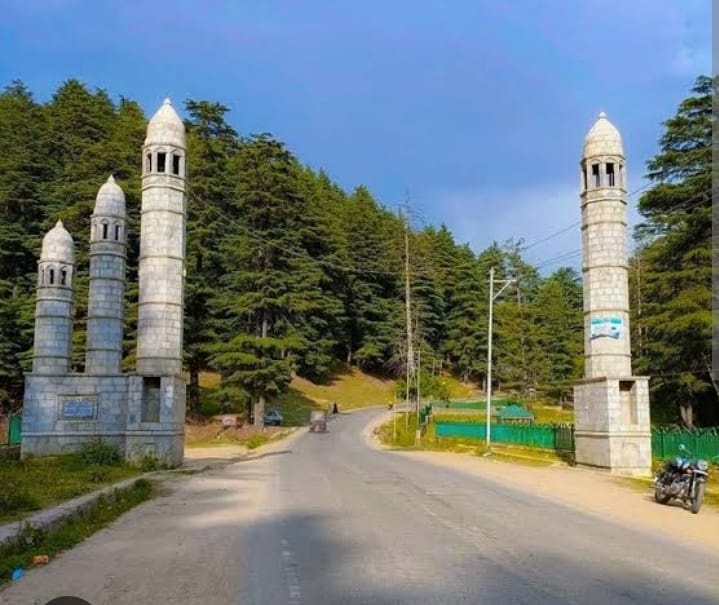
Known for producing some of Asia’s most brilliant minds and housing rare wooden architectural treasures, Lolab Valley is a cultural powerhouse currently stifled by geography.
By Qysar Ul Islam Shah
The verdant stretches of the Lolab Valley in North Kashmir represent one of the most striking paradoxes of the Himalayan region. Characterized by an expansive, oval-shaped topography, the valley is a sanctuary of ancient springs, rhythmic brooks, and dense, sweeping forests that define the rugged elegance of the frontier. Yet, for decades, this aesthetic wealth has existed in a state of suspended animation. While Lolab possesses all the raw ingredients of a premier international tourist destination and a thriving economic hub, it remains tethered to a legacy of isolation. The stunning natural profile of the region, punctuated by historic walnut groves and traditional wooden architecture, has stayed largely untapped, a victim of systemic infrastructure deficits that have marginalized one of Kashmir’s most culturally significant corridors.
At the heart of the valley’s struggle for modernization is the Lolab-Bandipora road project, a strategic infrastructure initiative that has lingered in the planning and early execution phases since 2008. For the inhabitants of Lolab, this road is far more than a simple ribbon of asphalt; it is a symbol of their collective aspirations and a vital lifeline that promises to dismantle the barriers of geographic seclusion. The valley is the ancestral home of some of Asia’s most distinguished intellectuals, including the renowned scholar Allama Anwar Shah Kashmiri and modern administrative pioneers like Dr. Shah Faesal. This rich intellectual heritage, paired with the legendary hospitality of towns like Lalpora, Sogam, and Chandigham, suggests a region that should be at the forefront of the state’s development. Instead, the lack of direct connectivity has left its potential buried under the weight of logistical hardship.
The current geopolitical and economic reality of Lolab is defined by its reliance on a single, circuitous access point through Kupwara. For a population of approximately 2.7 lakh people across the two districts, this dependency is increasingly untenable. To reach Srinagar, the summer capital, residents must navigate a grueling 150-kilometer journey via Kupwara and Sopore—a trek that consumes over three hours and navigates through some of the most congested transit points in the province. The proposed Lolab-Bandipora tunnel and road link would fundamentally alter this equation, slashing the distance to the capital by 35 kilometers and effectively halving the travel time to just 90 minutes. In a modern economy where time is the most valuable currency, this project represents the difference between stagnation and survival.
Beyond the metrics of trade and commerce, the road carries profound humanitarian weight. The “burdensome journey” mentioned by locals is not merely an inconvenience; it is a life-threatening obstacle. In cases of critical illness or medical emergencies, the three-hour transit to specialized healthcare facilities in Srinagar often proves fatal. The current route is an endless, winding passage that many fear to traverse during the winter months when snow and ice turn an already difficult trip into a perilous gamble. For students and job seekers, the isolation is equally punishing. It is a common, heartbreaking reality for candidates appearing for competitive exams or SSRB recruitment tests to leave their homes a week in advance just to ensure they can reach their centers on time. The emotional and financial toll of such a fractured existence is immense, leaving the youth of Lolab at a distinct disadvantage compared to their peers in more accessible regions.
There is a growing sense of frustration among the valley’s netizens and civil society members, who view the continued delays with deep-seated suspicion. Many locals believe that the stalling of the project is not merely a matter of administrative inertia but suggests a deliberate attempt to suppress the region’s growth. Rumors of interference by affluent interests who benefit from the status quo have fueled a sense of betrayal. The people of Lolab have watched as other regions have seen rapid infrastructural overhauls, while their own “mega project” remains a collection of unfinished surveys and abandoned work sites. This perceived negligence by stakeholders has left the population crestfallen, yearning for a government that prioritizes their basic right to connectivity over bureaucratic red tape.
The preservation of Lolab’s unique cultural identity also hinges on this development. The valley is dotted with traditional wooden houses that serve as living museums of Kashmiri craftsmanship. Without the influx of heritage tourism and the economic boost that a direct road would provide, these structures are at risk of falling into terminal disrepair. By connecting Lolab to Bandipora, the administration would facilitate a cross-pollination of culture and commerce, allowing the “juice-laden orchards” and artisanal wealth of the north to find new markets. This is not just about moving vehicles; it is about the transition of culture and the strengthening of relationships between two historically linked regions.
The administrative challenges and funding bottlenecks that have plagued the project since 2008 must now be addressed with a sense of urgency that matches the people’s plight. It is imperative for the Lieutenant Governor’s administration to view the Lolab-Bandipora road as a high-priority intervention. Investing in this corridor is an investment in the stability and prosperity of North Kashmir. It is a chance to prove that the government’s commitment to regional development is not limited to the urban centers but extends to the farthest reaches of the valley.
For those of us who call Lolab home, the wait has been long and the promises have often felt empty. We have witnessed the struggles of our elders and the stifled potential of our youth. The pen trembles not out of weakness, but out of the sheer weight of the hope we place in this single project. The Lolab-Bandipora road is the thread that will bind us to the world beyond, transforming a neglected corner of the map into a thriving participant in the nation’s future. It is time for the authorities to move beyond the rhetoric of “potential” and deliver the “action” that will finally allow the residents of this magnificent valley to thrive. By unleashing this regional potential, the government can create a legacy of opportunity that will benefit generations to come, ensuring that the beauty of Lolab is no longer defined by its isolation, but by its openness to the world.
The views expressed in this article are solely those of the author and do not necessarily reflect the opinions or views of this Magazine.
Leave a Reply