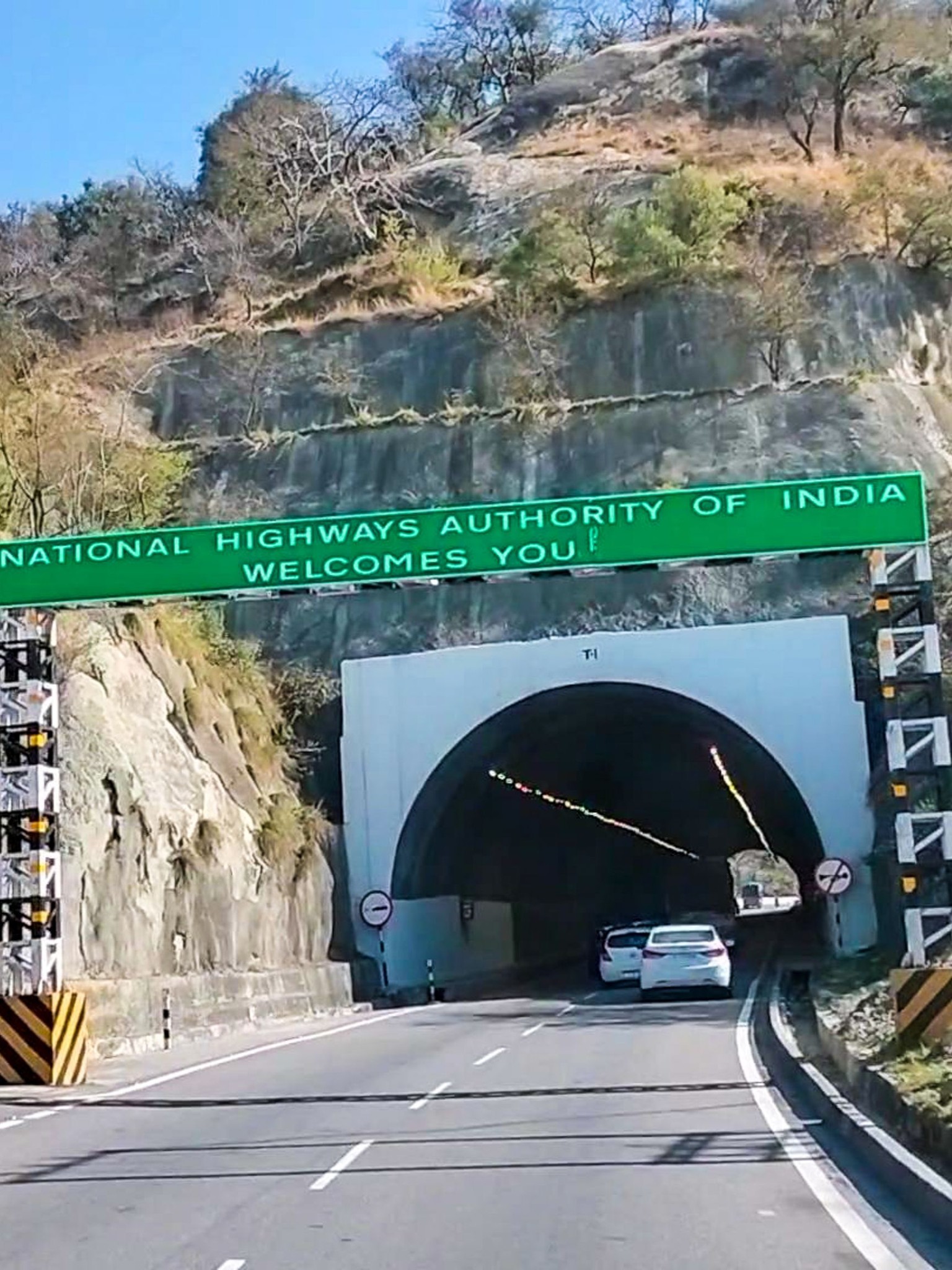
Once defined by fear and landslides the Jammu-Srinagar highway is now a masterpiece of tunnels and viaducts that bridges the Pir Panjal and connects the region like never before.
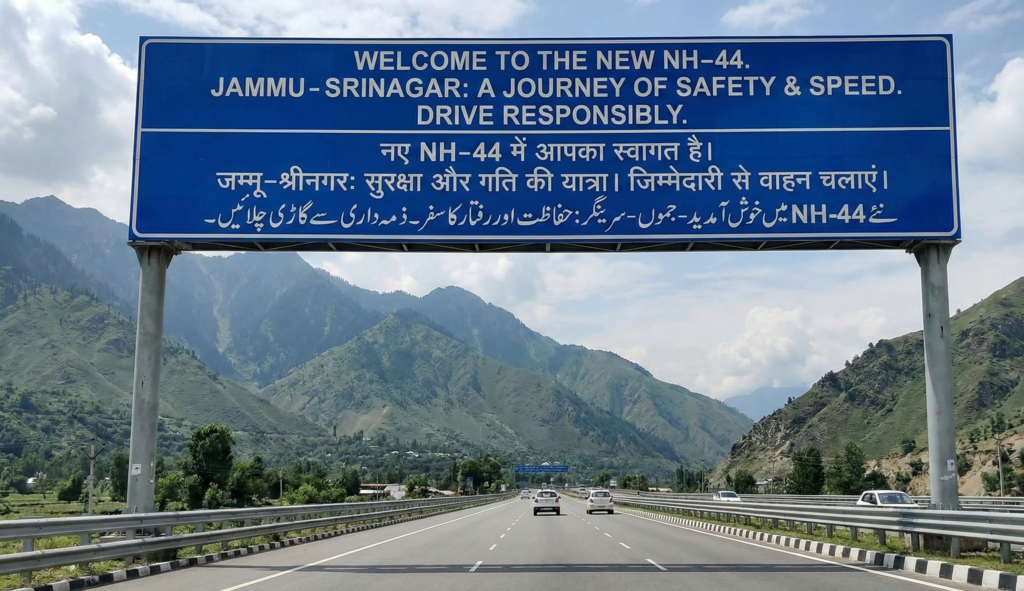
For decades, the mention of the Jammu-Srinagar National Highway (NH-44) evoked a sense of dread among travelers. It was a route defined by the “bottleneck” of Ramban, the treacherous “shooting stones” of Panthyal, and the chilling isolation that followed every major snowfall. However, as we stand in early 2026, the story of this 244-km stretch is no longer one of mere survival, but of a sophisticated engineering triumph that stands as a testament to the Union Government’s unwavering commitment to the integration and prosperity of Jammu and Kashmir. What was once a narrow, winding mountain road, often a hostage to the whims of nature, is rapidly maturing into a world-class, all-weather corridor of tunnels and viaducts, fundamentally altering the economic and social geography of the region.
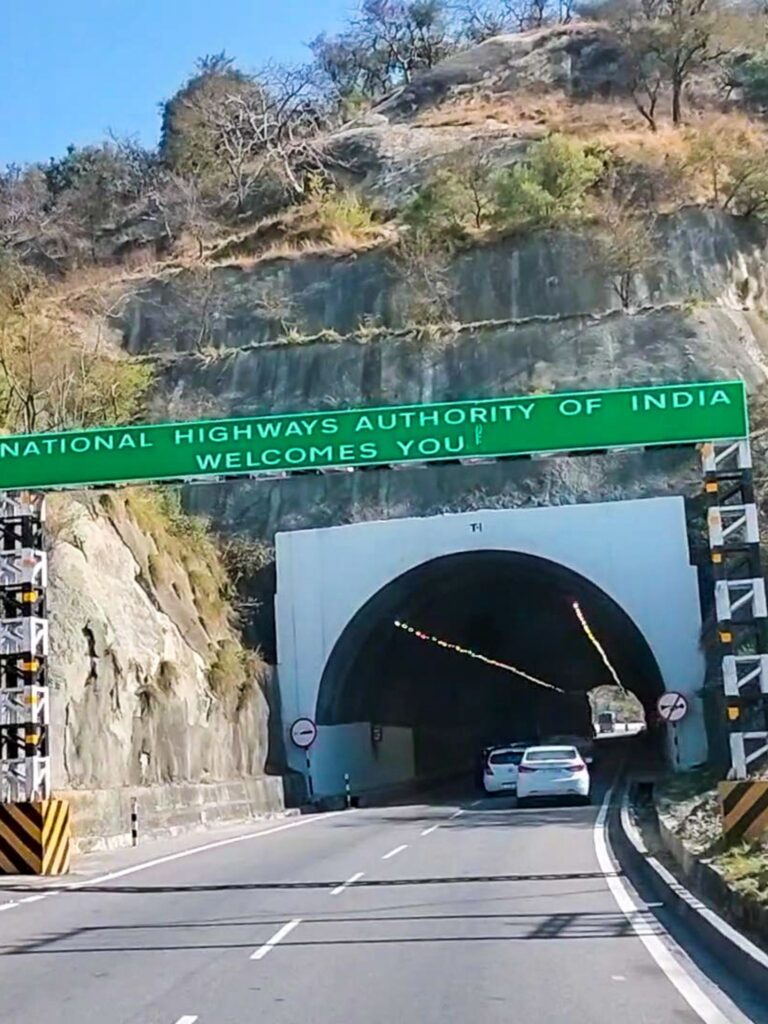
Under the visionary leadership of Prime Minister Narendra Modi and the relentless execution of Union Minister for Road Transport and Highways Nitin Gadkari, the “New Jammu and Kashmir” is being built on a foundation of concrete and steel. As of January 2026, the monumental task of four-laning this strategic lifeline is nearing its historic conclusion. Out of the 244 kilometers that connect the winter and summer capitals, approximately 230 kilometers have been successfully upgraded to high-speed four-lane standards. This includes the seamless operation of 20 state-of-the-art tunnels spanning over 21 kilometers and nine strategic bypasses that have removed the friction of local congestion from long-distance transit.
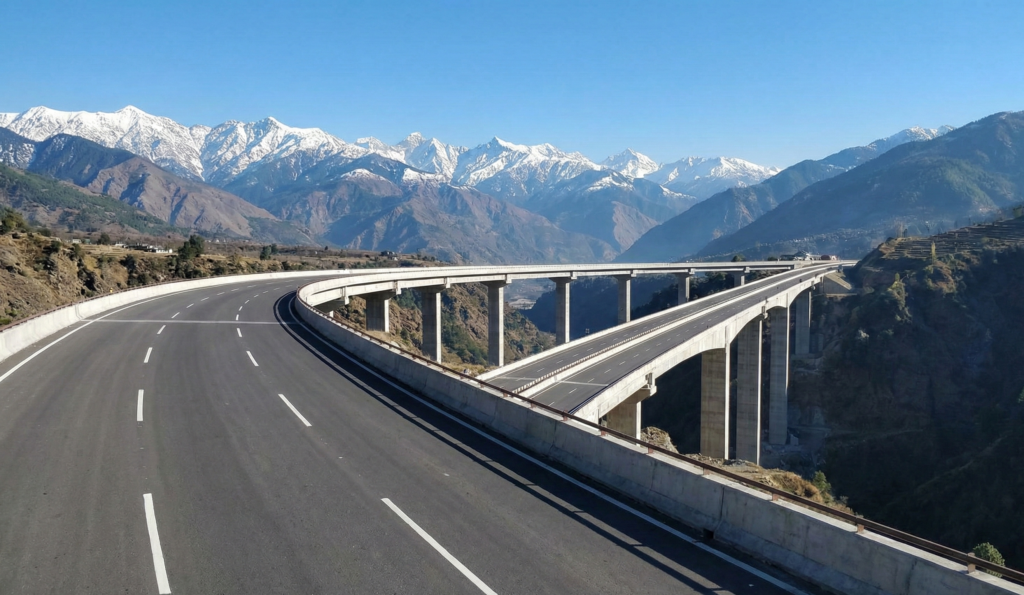
The most dramatic transformation is visible in the Ramban-Banihal sector, historically the highway’s most dangerous “Achilles’ heel.” For generations, the Panthyal stretch was a site of tragedy where falling rocks from the towering peaks above posed a constant threat to life. Today, that “ghost of shooting stones” has been permanently laid to rest. The operationalization of the T5 Tunnel, alongside a series of newly commissioned viaducts, has allowed traffic to bypass these hazardous zones entirely. Travelers now glide through well-lit, ventilated tubes of safety, shielded from the rugged terrain that once defined their journey.
This engineering marvel is not merely about tarmac and lighting; it is about the “annihilation of distance.” The arduous 10-to-12-hour journey that once separated Jammu and Srinagar has been slashed to a predictable five-to-six-hour drive for light motor vehicles. When the final, geologically complex 14-km stretch between Ramban and Banihal is fully four-laned by 2026—a project being handled with unprecedented engineering safeguards like satellite-based ground displacement monitoring and bio-engineering for slope stabilization, the travel time is expected to plummet to just four hours. This represents a revolution in connectivity that was once thought impossible in the fragile Pir Panjal range.
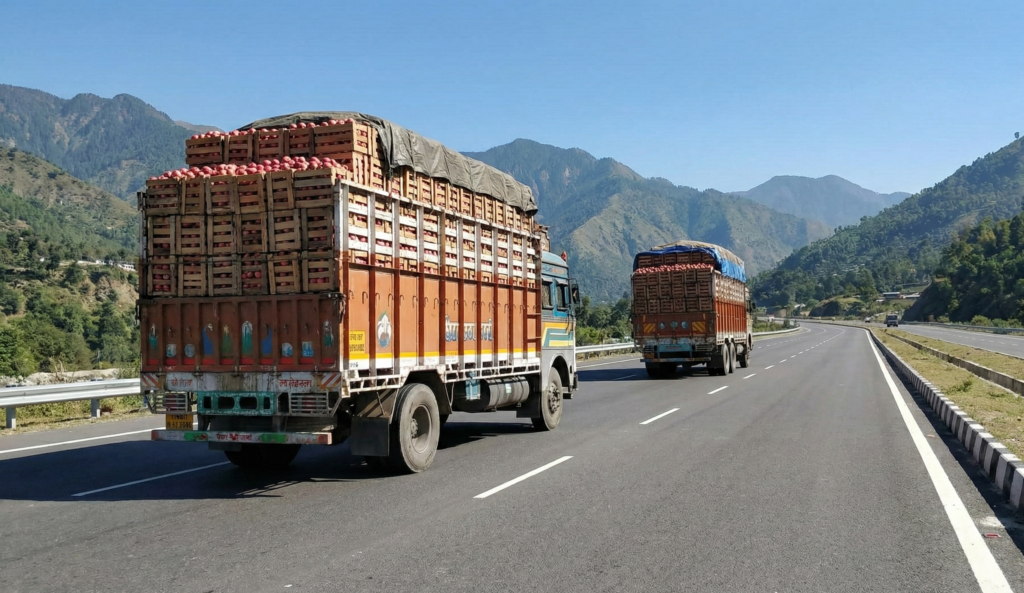
The economic dividends of this infrastructure surge are already manifesting in the Union Territory’s robust growth figures. In the fiscal year 2024-25, J&K’s real Gross State Domestic Product (GSDP) is projected to grow at an impressive 7.06%, outstripping many other regions. This growth is fueled by the highway’s transition into an “all-weather” artery. The horticulture sector, the backbone of the Kashmiri economy, has seen a total transformation in its logistics chain. In years past, thousands of fruit-laden trucks would be stranded for weeks during the peak apple season due to landslides, leading to massive losses for growers as their produce rotted in the heat. Today, the reliability of NH-44 ensures that the world-famous Kashmiri apple reaches markets in Delhi, Mumbai, and beyond in record time and in pristine condition.
The synergy between road and rail has further solidified this progress. On December 21, 2025, , a historic milestone was achieved as the first-ever foodgrain freight train reached the Kashmir Valley via the Udhampur-Srinagar-Baramulla Rail Link (USBRL). Lieutenant Governor Manoj Sinha aptly noted that this rail connectivity, working in tandem with the expanded NH-44, has effectively ended the “isolation syndrome” of the Valley. The dual-mode connectivity ensures that essential supplies remain uninterrupted even during the harshest winters, providing a level of food and energy security that the region has never known before.
Critics who once pointed to the delays in the Ramban sector often overlooked the sheer complexity of the task. The Himalayan geology here is among the youngest and most volatile in the world. To tackle this, the government did not simply throw money at the problem; it deployed cutting-edge technology. The use of “soil nailing,” “rock bolting,” and the construction of massive viaducts to avoid hill-cutting altogether reflects a shift toward sustainable and resilient engineering. These interventions have ensured that the highway is not just a temporary fix, but a permanent asset for generations to come.
The social impact of this connectivity is equally profound. It has brought the people of the two provinces closer than ever, fostering a sense of national unity and shared destiny. Tourism, which has seen record-breaking numbers in 2024 and 2025, is thriving because the “road to paradise” is no longer a deterrent. From the bustling markets of Jammu to the serene banks of the Dal Lake, the highway has become a conduit for cultural exchange and economic opportunity. The ease of travel has empowered local entrepreneurs, artisans, and students, providing them with a gateway to the vast opportunities of the Indian mainland.
Moreover, the highway serves a critical strategic purpose. In a region where national security is paramount, the ability to move personnel and equipment swiftly across the Pir Panjal range is a massive force multiplier. The upgraded NH-44, alongside the Z-Morh and Zojila tunnels further north, creates a robust network that ensures the nation’s borders are always within reach of rapid support. This “security through infrastructure” approach has brought a newfound sense of stability to the region, discouraging external interference and encouraging internal development.
As we look toward the final months of the four-laning project, the sentiment on the ground is one of overwhelming optimism. The era of the “unreliable highway” is over. In its place stands a modern corridor that reflects the strength and ambition of a “Viksit Bharat” (Developed India). The Jammu-Srinagar National Highway is no longer just a road; it is the physical manifestation of a promise kept, a promise to bring prosperity, security, and dignity to the people of Jammu and Kashmir. The evolution of NH-44 is, quite literally, the path to a brighter future.
Leave a Reply