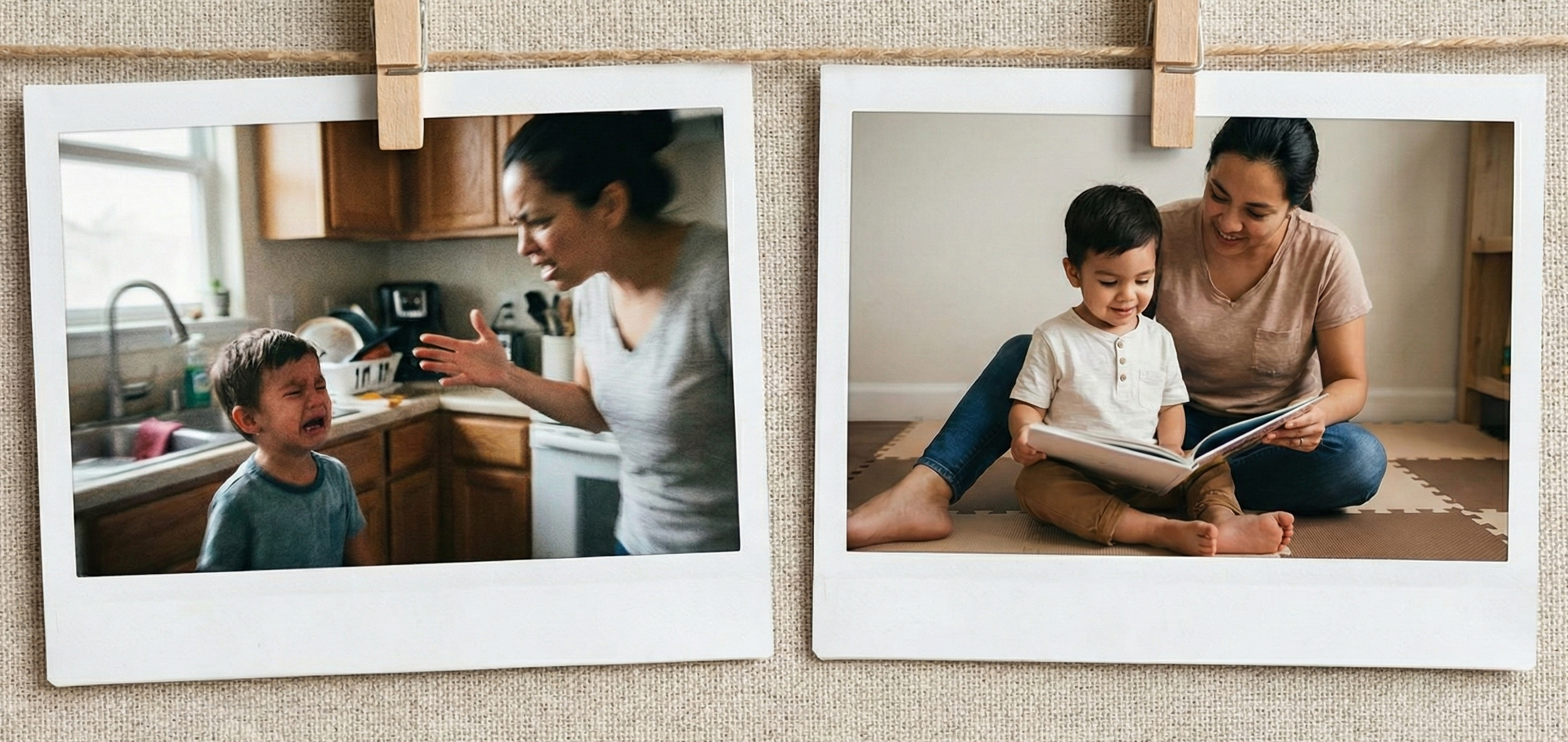
Stop the shouting and start the bonding. Why the first five minutes of the day are the most critical for your child’s mental health.
By Mool Raj
It was a few days ago in Jammu, amidst the bustling energy of colleagues and the crisp winter air, that a casual scroll through Facebook stopped me in my tracks. I stumbled upon a video discussing the nuances of early childhood parenting, specifically focusing on the ritual of preparing children for school. The speaker, presumably an educator with deep insight into child psychology, argued that we, as a collective society of well-meaning parents, have been waking our children up the wrong way. He suggested that by associating the morning with stressful experiences—the rush, the panic, the fear of lateness—we are inadvertently wiring our children’s brains for anxiety. Conversely, connecting the act of waking up with something enjoyable helps children associate the dawn of a new day with positive vibes rather than impending doom. It was a simple realization, yet it struck a chord, prompting a necessary reflection on how communication shapes the developing minds of the next generation.
Communicating effectively with our children is not merely a soft skill; it is a vital prerequisite if we want them to be happy, successful, and emotionally resilient. Therefore, this narrative is intended to invite the kind attention of all parents, urging them to recalibrate how they interact with their little ones, particularly in those vulnerable moments between sleep and wakefulness. This is a matter of profound importance, one that I hope will help us all deal with our children with greater empathy and wisdom, Insha Allah. To understand why this morning ritual is so critical, we must first understand the nature of childhood itself. It is a period of discovery, growth, adventure, novelty, challenges, and often, fear. It is the time when human beings are most plastic, exposed to different experiences that will ultimately define who they become.
Childhood, spanning roughly from infancy to the brink of adolescence—from the age of one up to eleven or twelve—is a period of rapid metamorphosis. In these years, a child learns not just about the external world, but about themselves. A child learns by playing, by trying things out, and most importantly, by observing and copying what others do. There is a constant, dynamic interaction between the child and their environment which dictates their development. The mind and brain continue to develop and mature throughout these years, acting like a sponge that absorbs everything. Environmental stresses, traumas, and emotional influences shape the physical architecture of a child’s brain. Therefore, the emotional climate we create at home is just as important as the nutritional value of the food we serve them.
Biologically, our bodies are chemical factories that respond to stimuli. In different conditions, different hormones are released. During a positive stimulus, our body releases “happy hormones” like dopamine and serotonin, which energize us and lift our mood. Conversely, when faced with a negative stimulus—fear, pressure, aggression—our body releases stress hormones like cortisol and adrenaline, shifting our mood toward anxiety, sadness, or defense. Depending on the type of stimulus provided the moment a child opens their eyes, their mood is set for the ensuing hours. Unfortunately, in our modern, hyper-competitive society, we often neglect our children’s mental health in favor of the “rat race.”
Consider the typical morning scenario in many households. We act as human alarm clocks, driven by the anxiety of the clock. We wake our kids by projecting our own stress onto them: “Get up or you will be late,” “Get up or you will miss the bus,” “Wake up, you have an exam, otherwise you will fail,” “Hurry up, you have to compete with your classmates,” “Look at how far the world has reached while you sleep.” This type of stimulus, when delivered to a groggy child whose subconscious mind is still wide open, is disastrous. It causes the body to flood with stress hormones. The child wakes up, yes. They eat their breakfast and go to school. But the foundation of their day is built on a bedrock of sadness, anxiety, laziness, and mental exhaustion. This lassitude becomes their normal state. We are effectively teaching them that the day is something to be survived, not enjoyed.
This behavior affects their physical and mental development profoundly. As responsible parents, we must radically change this method of communication. In the morning, and just before sleep, the subconscious mind of a child remains highly active and open to suggestion. If the input is negative, the subconscious absorbs it as a truth, releasing adrenaline and resulting in a dejected, anxious temperament. However, if we flip the script, the results can be miraculous. We should communicate with our kids in the morning by tapping into anticipation and joy. Imagine waking a child by saying, “Get up dear, a special tea is waiting for you,” or “Wake up beta, your friends are waiting to play,” or “Hurry up, I have made that special omelet you love,” or even, “Wake up and see how beautiful the sunrise looks today.”
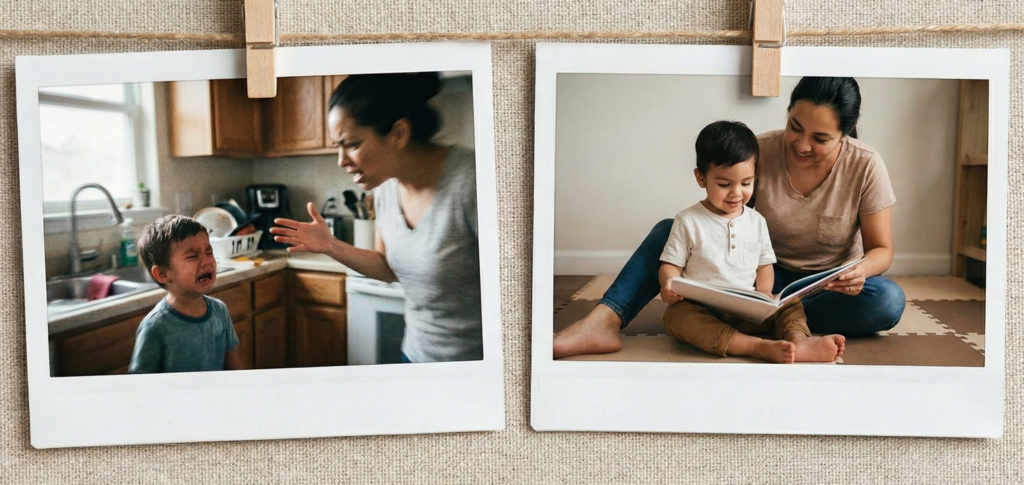
In a nutshell, we must create a happy and energized mood by communicating in a positive, affirmative way. When this positive communication is received by the subconscious mind, the brain releases dopamine and serotonin. An excitement is created. The child feels cheerful, energized, blessed, and thrilled to start the day. The child wakes up on their own, hurriedly and happily, not because they fear punishment, but because they anticipate joy. This behavior helps us prepare our children for schooling in a way that makes their day pleasant. Truly, communication impacts the mood, and mood impacts performance. Happy children tend to perform better academically, develop stronger social bonds, and exhibit higher self-confidence. Children who struggle with happiness and start their day in a deficit of joy often experience anxiety and other health issues that can plague them into adulthood.
I speak not just as an observer, but as a parent of three children. I have begun to use these clues to wake up my own kids, and the shift has been effective and tangible. I have changed the behavior of communicating with them during the morning and at the time of their sleep. It is a practice of patience, but the rewards are immediate. Kids are bundles of energy that need to power down before they can be recharged, and to discharge that energy, every single kid needs a lot of mental and physical stimulation. Thus, it is highly important to get those wiggles out in inventive ways so they can head in a direction for good sleep, and wake up to a world that welcomes them, rather than one that scolds them. By changing our words, we can quite literally change their worlds.
The views expressed in this article are solely those of the author and do not necessarily reflect the opinions or views of this Magazine.
Leave a Reply