From domestic libraries to the idea of a “Living Library,” Ishfaq Manzoor is pushing Kashmir to rediscover the joy of books.
In an era when the swipe of a screen has become more familiar than the rustle of a turning page, one young professional in Kashmir is quietly attempting a cultural reset. Ishfaq Manzoor—writer, researcher, and Medical Library and Information Science (LIS) professional—has devoted his career to nudging people back toward the world of books, whether bound in paper or glowing from a digital device. In a landscape where reading habits are thinning, his voice stands out as a gentle but persistent reminder that knowledge still has a heartbeat.
At SKIMS Medical College, where he currently serves, Ishfaq has earned a reputation for infusing fresh energy into a field often seen as administrative and understated. His work spans academic writing, motivational literature, and advocacy for reading spaces. Whether he is teaching students how to navigate medical databases or urging families to carve out small reading corners in their homes, his passion for the written word is unmistakable.
His path to the library shelf wasn’t straightforward. With degrees in both Civil Engineering and Library Science, Ishfaq comes from a background that might seem contradictory. But he insists the transition made perfect sense. Engineering, he says, trained him to break down problems and think structurally; Library Science allowed him to serve the people who need knowledge the most—students, researchers, clinicians. “My heart was always with books and knowledge-sharing,” he says. The library, for him, was not a fallback but a calling.
Among his many ideas, the one that has captured the imagination of ordinary families across Kashmir is the “domestic library.” Ishfaq believes every household—regardless of budget or space—can create its own sanctuary of books. It doesn’t have to be grand, he says; even a collection of 50 or 100 volumes can change the emotional and intellectual climate of a home. His message, shared in lectures, interviews, and casual conversations, has found unexpected resonance. Across neighbourhoods, families have begun building tiny book nooks, and the ripple effects have been heartening. Children grow up with stories and ideas within reach. Parents stay engaged in the learning journeys of their kids. And communities slowly begin to shift their relationship with knowledge—treating it as something to be lived with, not merely chased during exam season.
But Ishfaq’s work goes far beyond inspiring personal reading spaces. In the professional world, he champions Medical LIS—an area he describes as the “silent backbone” of education and healthcare. Behind every research paper, every clinical decision, every lecture, there is a library system enabling access to information. He believes the role of medical libraries is often underappreciated. “A library is not just about storing resources,” he says. “It shapes learning, fuels research, and supports healthcare in ways people don’t always see.” In the corridors of institutions like SKIMS, that quiet support, he argues, can make the difference between informed decisions and missed opportunities.
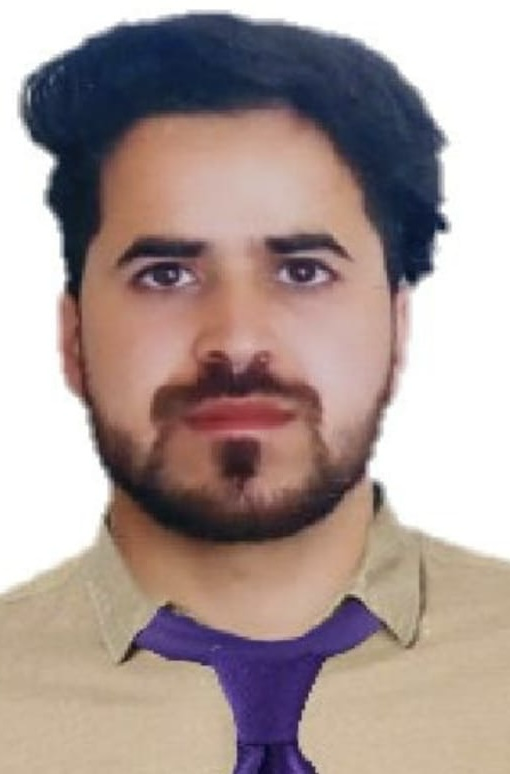
Perhaps the most ambitious symbol of his philosophy is “Zinda Kitab Ghar”—the Living Library. The idea challenges the cliché of libraries as silent, dusty corners. Ishfaq imagines them as breathing spaces where books converse with readers, where discussions unfold, where learning is dynamic rather than ceremonial. A living library, he says, could bridge the widening gap between fast-paced digital life and the contemplative joy of slow reading.
His concern over this widening gap is reflected in a recent survey he conducted. Most students, he found, are active on multiple social media platforms and spend long hours scrolling. While he acknowledges the usefulness of these platforms—especially for communication and sharing—he worries that they eat into time and habits that nurture deeper growth. His advice is simple: balance. “Digital spaces can enhance learning,” he says, “but they should not replace reading or personal development.”
As an author, Ishfaq moves fluidly between academic texts and inspirational writing. His works—A Comprehensive Book of LIS, Library Cataloguing, and Life: A Dream to Struggle for Zero—reflect his dual identity. The first two cater to students and professionals seeking clarity and structure; the third is a motivational exploration of resilience and values. Writing, for him, is not just an intellectual exercise but a way of leaving behind a trail of ideas for those who might need them.
And on the perennial debate between print and digital reading, his stance is easygoing. Both formats, he insists, matter. Digital offers speed and convenience; print brings presence, patience, and depth. “Together,” he says, “they create the perfect balance.” It is a perspective that avoids nostalgia and embraces practicality—a hallmark of his philosophy.
Looking ahead, Ishfaq dreams of building modern hybrid LIS centers across Jammu and Kashmir. Places where print shelves and digital terminals coexist. Where children can wander among stories, and researchers can navigate the newest databases. Where reading feels like discovery, not obligation. He hopes to see domestic and community libraries blossom—not as grand institutions but as everyday corners of learning.
His message for young people is both simple and profound: knowledge is strength, but also responsibility. Read not just to absorb information, he says, but to think, question, and imagine. “One book, one idea, one curious mind can transform society.”
Through his work, Ishfaq Manzoor has become more than a librarian or writer—he is a quiet advocate for a culture that refuses to let reading fade. In a time shaped by algorithms and speed, his vision brings the reminder that books, in any form, remain among the strongest foundations for resilience, progress, and hope.
The views expressed in this article are solely those of the author and do not necessarily reflect the opinions or views of this Magazine.
Leave a Reply